Benjamin was born and raised in Slidell, Louisiana but when he was a teen he was deemed “out of control” by his family and sent off to live with his mother who had started a new life in Portland, Oregon. From there he joined a gang but managed to finish high school and start college before landing in prison the first time. He would end up going back to prison two more times. The last time being convicted with no hope of being released until he was 70 years old.
While Benjamin doesn’t make excuses for himself and his actions, he was given a particularly harsh sentence, in part due to the “tough on crime” atmosphere at the time, sentencing biases against people of color, and a unique law in Oregon that allowed juries to convict with only 10 of the 12 jurors. It was referred to as the 10-2 jury rule, and it was adopted in 1934 amidst open anti-immigrant and anti-Black sentiment. The original ballot initiative was supported by the Ku Klux Klan and the Oregonian newspaper, citing concerns that minority jurors (primarily Jewish and Black jurors) might block convictions. The intent was to dilute the power of minority voices on juries, ensuring that even if Black or immigrant jurors dissented, convictions could still be secured by the white majority. This led to an overrepresentation of Black people in Oregon’s prison system.
During his time in prison, Benjamin became involved in several transformative justice groups, working with other inmates in Oregon State Prison to provide mentorship to younger men of color in the system to ensure they didn’t make the same mistakes that would bring them back, over and over. In tandem with that, he earned certifications in conflict resolution and mediation and became a certified recovery mentor.
In 2020, the 10-2 jury rule was ruled unconstitutional, Oregon was forced to repeal the rule, which sent a bunch of cases like Benjamin’s back to court. After 23 years of fighting, he was released in 2023, free at 54, he finally had the opportunity to revisit his deferred dreams, including homeownership.
Upon his release, he sought work that would allow him to use his skills and experiences to serve others. He found a role at Urban Alchemy, an organization dedicated to helping unhoused individuals transition into permanent housing and reclaim stability in their lives. He says, “My lived experience helps me bring patience, awareness, and empathy to my role, assisting others in reclaiming their dignity and independence. I believe in and bring out the potential of others.”
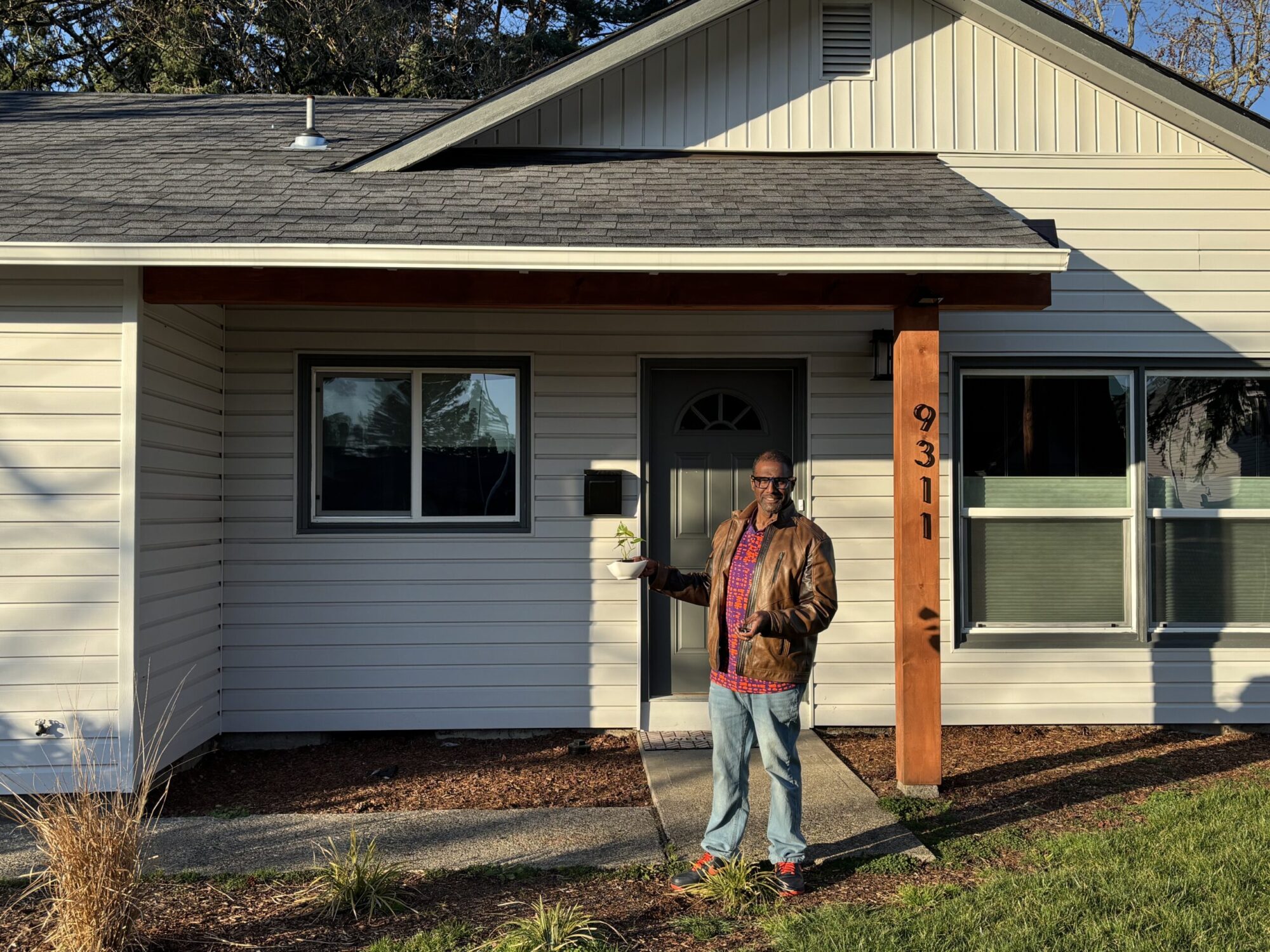
In the two years since his release, Benjamin has managed to save $18,000 towards a down payment. In September, Greenline awarded him a $17,500 downpayment grant and he was finally able to realize his dream of homeownership! Benjamin says, “owning this home is the literal foundation for the future I am just now creating and a stake in the ground for Black Portlanders who are increasingly being forced out by gentrification. Thank you for making this dream come true.”